Anchor Screws & Nuts Bolts: Complete Guide by Swastik Industrial Works
In the world of construction, manufacturing, and engineering, fasteners are the backbone of every structure. From small machinery to massive infrastructure projects, components like anchor screws and nuts bolts play a vital role in ensuring strength, stability, and durability. If you are looking for reliable fastening solutions, Swastik Industrial Works offers high-quality products designed for industrial performance.
This article explores everything you need to know about anchor screws and nuts bolts, their types, uses, and how to choose the right fasteners for your project.
What Are Anchor Screws?
Anchor screws are heavy-duty fasteners used to attach structures or equipment to solid surfaces such as concrete, brick, or masonry. These fasteners are specially designed to provide a firm grip and withstand heavy loads.
Anchor screws work by expanding inside the material or bonding chemically to create a secure hold. They are widely used in:
-
Structural frameworks
-
Machinery installation
-
Railings and safety barriers
-
Industrial equipment mounting
Their ability to provide high load-bearing capacity makes them essential for construction and infrastructure projects.
Types of Anchor Screws
There are several types of anchor screws, each designed for specific applications:
1. Expansion Anchors
These anchors expand when tightened, creating a tight grip inside concrete or masonry. They are commonly used in construction and HVAC systems.
2. Chemical Anchors
These use resin or epoxy to bond the fastener to the surface. They are ideal for high-strength applications and cracked concrete.
3. Sleeve Anchors
Used for medium-duty applications, sleeve anchors are versatile and easy to install.
4. Wedge Anchors
These provide strong holding power and are widely used for heavy-duty installations like steel structures.
Each type is selected based on load requirements, material, and environmental conditions.
Understanding Nuts Bolts
Nuts and bolts are among the most commonly used fastening systems across industries. A bolt is a threaded fastener that is inserted through materials and secured using a nut, creating a tight and stable joint.
This combination provides:
-
Strong clamping force
-
Easy assembly and disassembly
-
High durability under stress
Industries that rely heavily on nuts bolts include:
-
Construction
-
Automotive
-
Manufacturing
-
Electrical and mechanical engineering
Their versatility makes them essential in almost every industrial application.
Types of Nuts and Bolts
Common Types of Bolts
-
Hex Bolts – Most widely used, suitable for general applications
-
Carriage Bolts – Used in wood-to-metal connections
-
Anchor Bolts – Designed for concrete foundations
-
Allen Bolts – Used in precision machinery
Common Types of Nuts
-
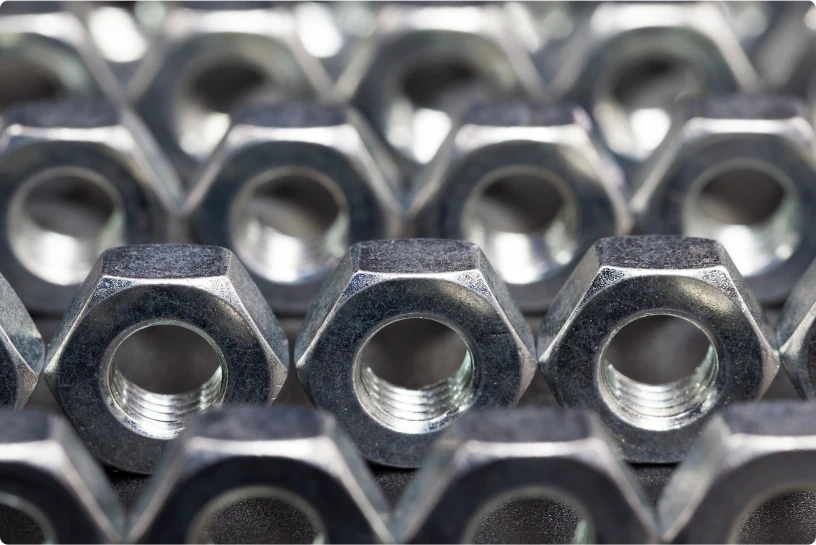
Hex Nuts – Standard and widely used
-
Lock Nuts – Prevent loosening due to vibration
-
Flange Nuts – Provide better load distribution
-
Nylon Insert Nuts – Offer additional grip and stability
Choosing the correct type ensures better performance and safety in your project.
Materials Used in Fasteners
The performance of anchor screws and nuts bolts depends heavily on the material used. Common materials include:
-
Mild Steel – Suitable for general indoor use
-
Stainless Steel (304/316) – Corrosion-resistant and ideal for outdoor or marine environments
-
Galvanized Steel – Coated for enhanced durability
-
Alloy Steel – High strength for heavy-duty applications
Material selection is crucial to ensure long-term durability and resistance to environmental conditions.
Applications of Anchor Screws & Nuts Bolts
These fasteners are used in a wide range of industries:
1. Construction Industry
Anchor screws secure structural elements to concrete, while nuts bolts hold steel frameworks together.
2. Manufacturing
Used in assembling machinery and equipment.
3. Automotive Sector
Essential for assembling engines, frames, and components.
4. Electrical Installations
Used in panel boards, cable trays, and fittings.
5. Infrastructure Projects
Bridges, railways, and buildings rely heavily on strong fastening systems.
Their importance lies in ensuring safety, stability, and efficiency in all these applications.
Why Quality Fasteners Matter
Using low-quality fasteners can lead to serious problems such as:
-
Structural failure
-
Increased maintenance costs
-
Safety hazards
-
Reduced lifespan of equipment
High-quality fasteners from trusted manufacturers like Swastik Industrial Works ensure:
-
High tensile strength
-
Precision engineering
-
Corrosion resistance
-
Consistent performance
Investing in quality fasteners is essential for long-term reliability and safety.
How to Choose the Right Fastener
Selecting the correct anchor screws or nuts bolts depends on several factors:
1. Load Requirements
Determine the weight and stress the fastener must handle.
2. Material Type
Choose based on the surface (concrete, steel, wood, etc.).
3. Environment
Consider exposure to moisture, chemicals, or extreme temperatures.
4. Size and Grade
Ensure proper dimensions and strength ratings.
5. Installation Method
Some fasteners require special tools or techniques.
Making the right choice improves performance and reduces the risk of failure.
Advantages of Using Anchor Screws & Nuts Bolts
-
High strength and durability
-
Easy installation and removal
-
Versatile applications
-
Cost-effective solutions
-
Reliable performance in demanding conditions
These advantages make them indispensable in modern engineering and construction.
Conclusion
Anchor screws and nuts bolts are essential components that hold the world together—literally. Whether it’s a skyscraper, a machine, or a simple installation, these fasteners ensure everything stays securely in place.
Choosing high-quality products from trusted brands like Swastik Industrial Works ensures durability, safety, and efficiency in every project. By understanding the types, materials, and applications of these fasteners, you can make informed decisions and achieve better results in your construction or industrial work.


Comments
Post a Comment