Steel Fasteners: The Backbone of Modern Industrial Applications
In today’s industrial world, Steel Fasteners play a vital role in ensuring the strength, durability, and reliability of countless structures and machines. From construction projects and automotive manufacturing to heavy machinery and household equipment, fasteners are the hidden components that hold everything together. Businesses looking for premium-quality fastening solutions trust Swastik Industrial Works for durable and precision-engineered products designed to meet industrial standards.
What Are Steel Fasteners?
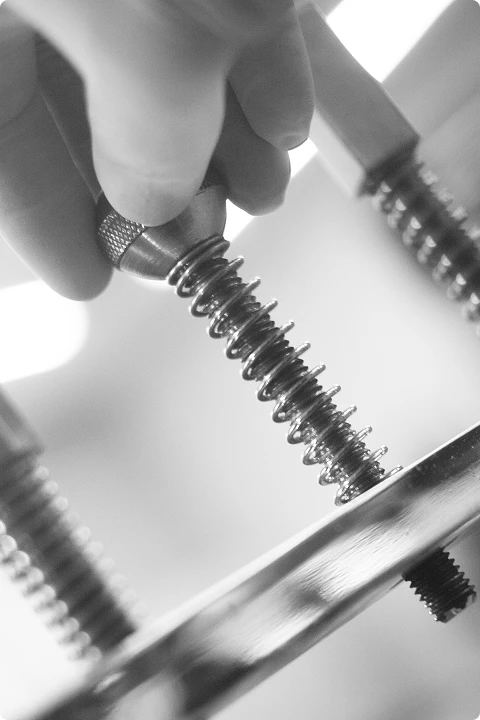
Steel fasteners are hardware devices used to mechanically join or secure two or more objects together. These components include bolts, nuts, screws, washers, rivets, studs, and anchors made from different grades of steel. Their primary purpose is to create strong and reliable connections that can withstand pressure, vibration, and environmental conditions.
Industries prefer steel fasteners because of their exceptional strength, corrosion resistance, and long-lasting performance. Whether used in bridges, pipelines, automobiles, or machinery, steel fasteners ensure structural integrity and safety.
Importance of Steel Fasteners in Industries
Steel fasteners are essential for almost every industrial sector. Their importance can be understood through the following benefits:
1. High Strength and Durability
Steel fasteners are known for their excellent tensile strength. They can handle heavy loads and extreme pressure without breaking or deforming. This makes them ideal for construction, engineering, and manufacturing applications.
2. Corrosion Resistance
Many steel fasteners are coated or manufactured using stainless steel to resist rust and corrosion. This feature makes them suitable for outdoor environments, marine applications, and humid conditions.
3. Easy Installation and Maintenance
Fasteners are designed for easy assembly and disassembly. This simplifies maintenance and repair work, saving both time and labor costs.
4. Cost-Effective Solution
Steel fasteners provide long-term value due to their durability and low maintenance requirements. Industries prefer them because they reduce replacement costs over time.
5. Versatility
Fasteners are available in various sizes, shapes, and materials, making them suitable for diverse industrial applications.
Types of Steel Fasteners
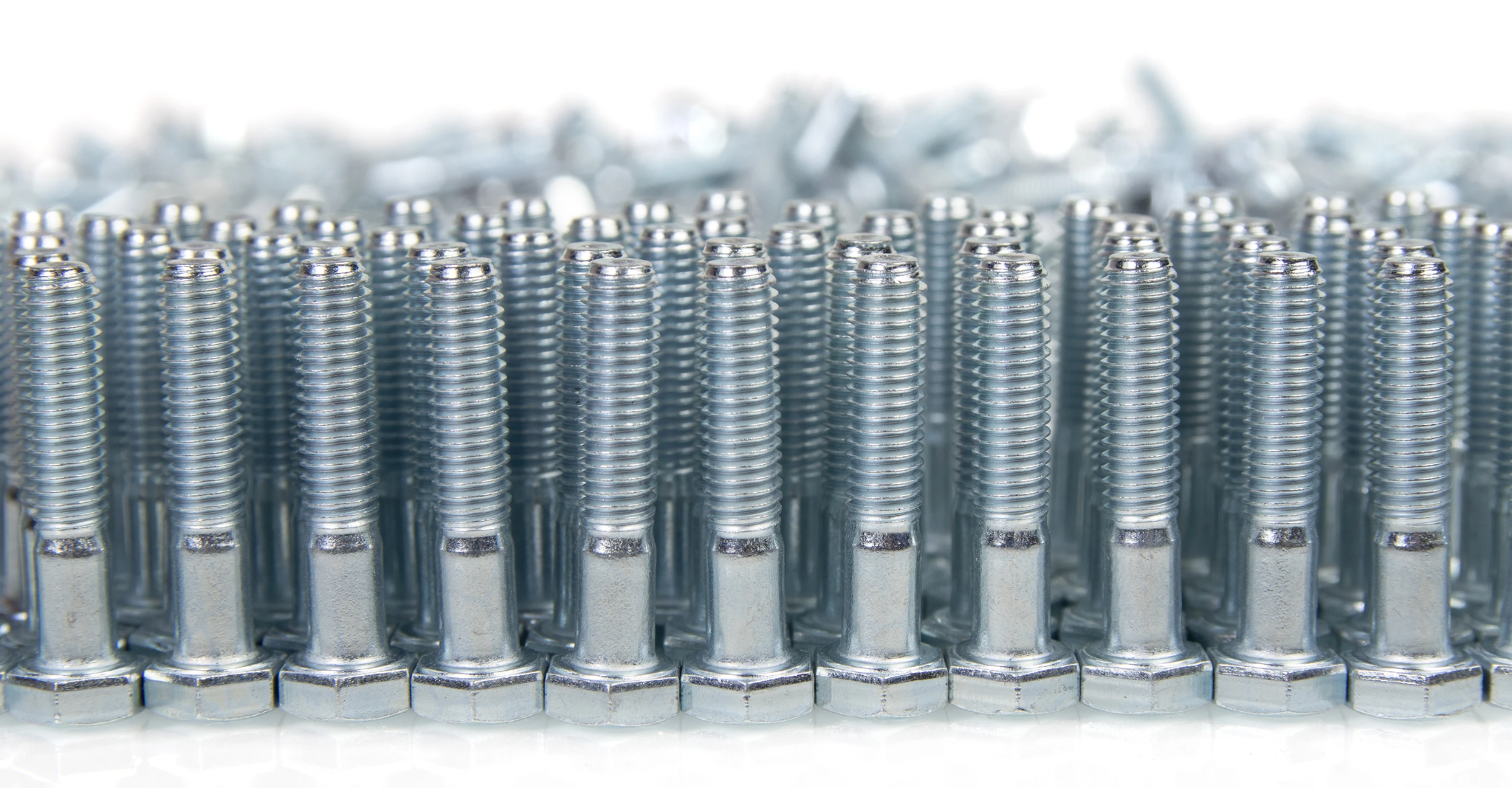
Different projects require different types of fasteners. Here are some commonly used steel fasteners:
Bolts
Bolts are threaded fasteners used with nuts to secure heavy components together. They are widely used in construction and machinery.
Nuts
Nuts are paired with bolts to create a secure fastening system. They are available in multiple shapes and thread patterns.
Screws
Screws are threaded fasteners designed to penetrate materials and hold them tightly. They are commonly used in woodwork, metal fabrication, and electronics.
Washers
Washers help distribute load evenly and prevent surface damage caused by tightening bolts or nuts.
Rivets
Rivets are permanent fasteners commonly used in aircraft, bridges, and sheet metal fabrication.
Studs
Stud fasteners provide strong threaded connections in engines, pipelines, and heavy equipment.
Applications of Steel Fasteners
Steel fasteners are used across numerous industries because of their reliability and strength.
Construction Industry
Construction projects depend heavily on steel fasteners for securing beams, frames, roofing systems, and structural components. Their strength ensures the stability of buildings and infrastructure.
Automotive Industry
Vehicles require high-quality fasteners to assemble engines, suspension systems, and body components. Strong fasteners improve vehicle safety and performance.
Oil and Gas Industry
Pipelines and drilling equipment operate under extreme pressure and environmental conditions. Steel fasteners provide secure and leak-proof connections.
Manufacturing Sector
Industrial machinery and production equipment rely on durable fasteners for smooth and safe operation.
Marine Industry
Corrosion-resistant steel fasteners are essential in ships, docks, and offshore structures exposed to moisture and saltwater.
Why Quality Matters in Steel Fasteners
Choosing high-quality steel fasteners is essential for ensuring safety and long-term performance. Poor-quality fasteners may loosen, corrode, or fail under pressure, leading to operational risks and costly repairs.
Reliable manufacturers like Swastik Industrial Works focus on precision manufacturing, superior materials, and strict quality control standards. Their products are designed to deliver exceptional performance even in demanding industrial environments.
Features of Premium Steel Fasteners
When selecting steel fasteners, industries should look for the following features:
-
High tensile strength
-
Corrosion and rust resistance
-
Accurate threading
-
Dimensional precision
-
Heat and pressure resistance
-
Long operational life
These features ensure better reliability and lower maintenance costs.
How to Choose the Right Steel Fasteners
Selecting the correct fastener depends on several factors:
Material Compatibility
Choose fasteners compatible with the materials being joined to avoid corrosion or weakening.
Environmental Conditions
Consider exposure to moisture, chemicals, heat, or vibration before selecting fasteners.
Load Requirements
Understand the load-bearing capacity required for the application to ensure safety and stability.
Fastener Size and Type
Using the correct size and thread pattern ensures proper fitting and secure fastening.
Industry Standards
Always select fasteners that meet industrial quality and safety standards.
The Growing Demand for Steel Fasteners
The demand for steel fasteners continues to grow globally due to rapid industrialization and infrastructure development. Industries are increasingly investing in high-quality fastening solutions to improve safety, efficiency, and durability.
Advanced manufacturing technologies are also contributing to the development of stronger, lighter, and more corrosion-resistant fasteners. As industries evolve, steel fasteners will remain a critical component in engineering and construction projects.
FAQs
1. What are steel fasteners used for?
Steel fasteners are used to join or secure components in construction, automotive, manufacturing, and industrial applications.
2. Why are steel fasteners preferred in industries?
They offer high strength, durability, corrosion resistance, and long-lasting performance.
3. What types of steel fasteners are commonly used?
Common types include bolts, nuts, screws, washers, rivets, and studs.
4. Are stainless steel fasteners corrosion-resistant?
Yes, stainless steel fasteners are highly resistant to rust and corrosion, making them suitable for outdoor and marine environments.
5. How do I choose the right steel fastener?
Consider factors such as material compatibility, environmental conditions, load requirements, and fastener size before selecting one.
6. Why should I buy from Swastik Industrial Works?
Swastik Industrial Works provides high-quality, precision-engineered steel fasteners designed for industrial reliability and performance.
Conclusion
Steel fasteners are the foundation of modern industrial and construction applications. Their strength, durability, and versatility make them indispensable across multiple industries. From securing heavy machinery to supporting large infrastructure projects, fasteners ensure reliability and safety in every connection.
For industries seeking dependable fastening solutions, Swastik Industrial Works offers premium-quality products designed to meet diverse industrial requirements. Investing in high-quality steel fasteners not only improves operational performance but also enhances long-term safety and efficiency.


Comments
Post a Comment